Find the perfect protection for any device
We test antivirus software for protection, performance, and price — separately for home, business, and mobile devices.
Top Antivirus 2026
Separate rankings for home, business, and mobile — matched to each segment’s real protection requirements.
Find the best pick for your situation
Popular comparisons
Latest articles
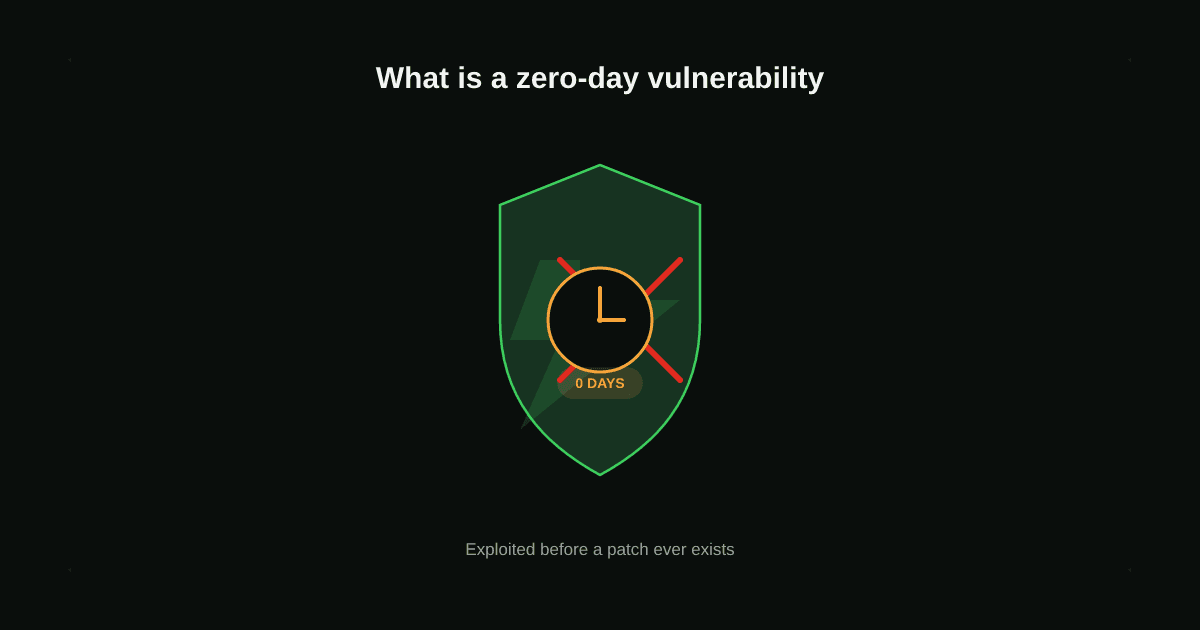
A plain-language explanation of how unknown vulnerabilities get exploited.
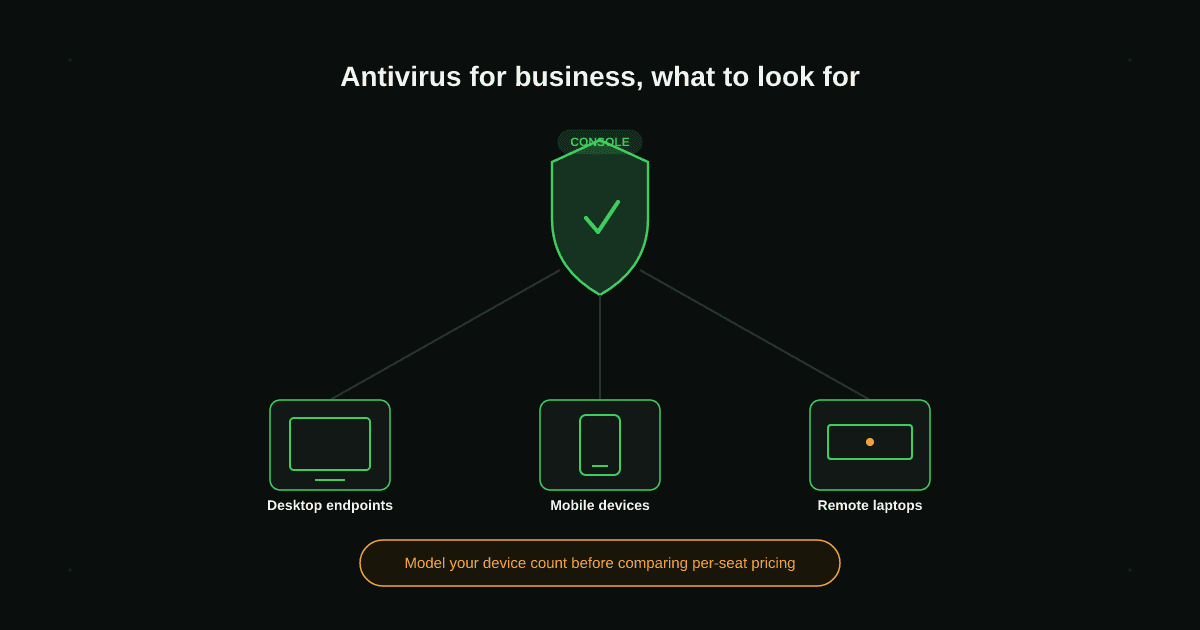
Licensing, device management, and support for teams.
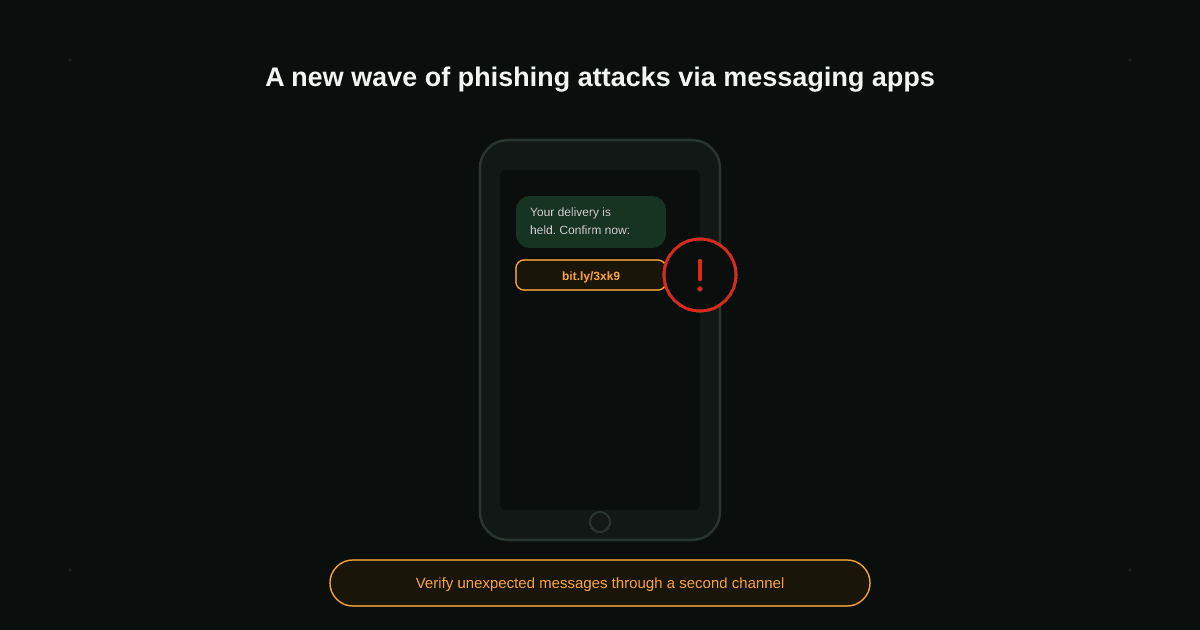
What to know and how to avoid falling for the scam.
How to Actually Choose an Antivirus
Most "best antivirus" guides read like the same affiliate template with the names swapped. Here's the process we'd actually recommend, based on what we've learned testing products across every major use case on this site.
Step 1: Match the Product to What You're Actually Protecting
A single laptop for browsing and email calls for a different product than a small business network with a dozen devices and sensitive client data. If it's the former, prioritize a clean interface and low performance overhead. If it's the latter, prioritize centralized management and business-grade support — features a home-focused product often doesn't even offer, regardless of how well it scores on our general rating.
Step 2: Check Independent Lab Results, Not Marketing Claims
Every vendor claims industry-leading detection; only some have that claim backed by recognized independent testing labs. Before trusting a product with your data, check whether recent lab results actually exist for it and how it performed — our full reviews cite this explicitly for every product we test rather than restating a vendor's own catch-rate percentage.
Step 3: Don't Judge Performance From a Single Benchmark
A product's advertised "lightweight" claim usually reflects one best-case test scenario. Real-world impact depends on whether you're running a quick scan or a full scan, and on what else is running on your machine at the same time — check our reviews for measured before-and-after performance rather than trusting a single marketing number.
Step 4: Understand the Real Price at Renewal
Antivirus pricing is notorious for steep discounts on the first term that disappear at renewal. Check the price you'll actually pay in year two, not just the first-year promotional rate — some products roughly double after the introductory period, which changes the actual value calculation significantly.
Step 5: Test the Free Tier's Real Limits
If a genuinely free tier exists, use it to judge interface and performance impact before committing to a paid plan — but check exactly what's excluded first. Some free tiers cover core malware scanning but strip out ransomware protection or real-time monitoring entirely, which can be a significant gap depending on your risk profile.
Step 6: Compare Your Shortlist Directly
Once you've narrowed things down to two or three candidates, our Compare tool puts their scores, lab results, and pricing side by side — faster than reading three full reviews and holding the details in your head.
A Final Note on "Best Overall" Rankings
Our rating page ranks every product under one consistent, protection-weighted formula, and it's a genuinely useful starting point. But the top-ranked product overall isn't automatically right for a narrow situation like a Mac-only household or a business needing centralized device management — that's exactly why our scenario-specific Best Antivirus lists exist alongside the general ranking.
Watch Out for "Free Antivirus" Claims Specifically
A surprising number of products marketed heavily as "free" turn out to have their most important protections — real-time scanning, ransomware protection — locked behind a paid tier once you actually install them, with the free version limited to on-demand scans you have to remember to run manually. If a free option matters to your decision, check our free-antivirus shortlist specifically, since we screen out products that use this bait-and-switch pattern rather than including anything with the word "free" on its pricing page.
One More Thing Worth Checking: Device Count and Cross-Platform Licensing
Even after settling on a product for its protection and performance profile, check exactly how many devices a plan actually covers and whether that license works across the specific mix of operating systems in your household — some plans are Windows-only despite marketing copy implying broader coverage, and a mixed household with both PCs and phones can burn through a low device cap faster than expected.